
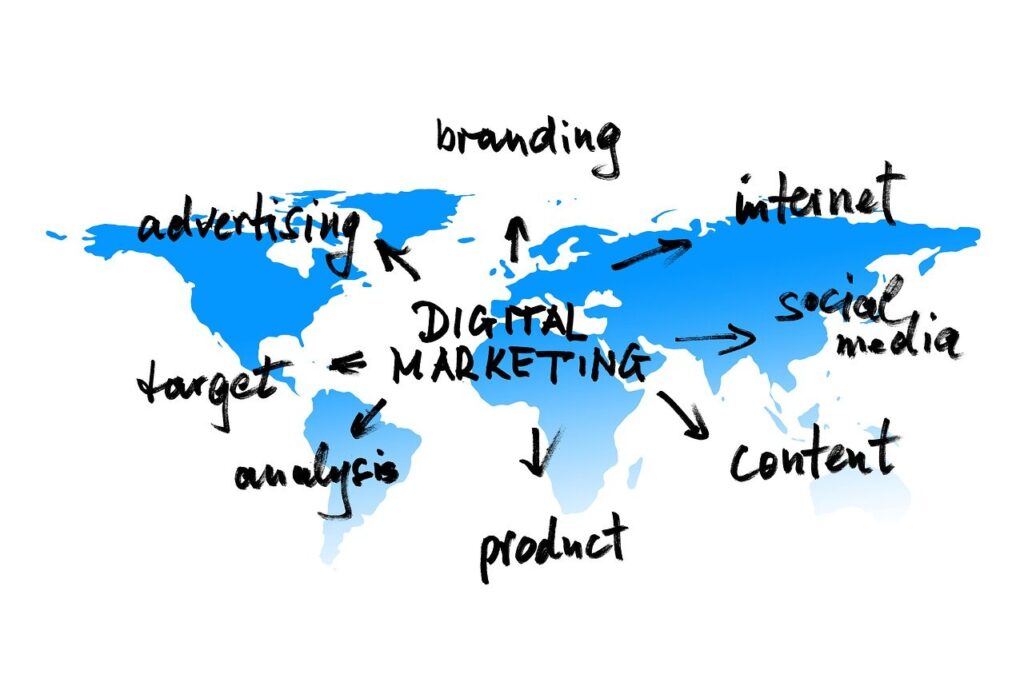
In today’s fast-paced digital landscape, businesses must adapt to stay ahead. Digital marketing services have become essential for brands looking to enhance their online presence, engage with customers, and drive sales. Whether you’re a small startup or an established enterprise, understanding the right strategies can make all the difference in reaching your target audience effectively.
From search engine optimization (SEO) to social media management, digital marketing encompasses a wide array of services designed to boost your visibility and connect with potential customers. As you explore these services, you’ll discover how they can transform your marketing efforts, providing measurable results and a competitive edge. Embracing digital marketing isn’t just an option anymore; it’s a necessity for growth and success in the modern marketplace.
Understanding Services Digital Marketing
Understanding services digital marketing involves recognizing various strategies and tools utilized by businesses to enhance their online presence. Digital marketing services include key components such as search engine optimization (SEO), social media management, content creation, email marketing, and pay-per-click (PPC) advertising.
1. Search Engine Optimization (SEO)
Search engine optimization helps improve the visibility of your website on search engines. The SEO process includes:
- Keyword Research: Identifying relevant keywords that potential customers use in searches.
- On-Page Optimization: Adjusting elements on your website, such as titles, meta descriptions, and headers, to boost rankings.
- Off-Page Optimization: Building backlinks from authoritative sites to improve credibility and search ranking.
2. Social Media Management
Social media management entails handling your business’s profiles on platforms like Facebook, Instagram, and Twitter. Important aspects include:
- Content strategy: Planning and creating engaging content tailored for your audience.
- Community engagement: Responding to comments and messages to foster interaction.
- Analytics tracking: Monitoring performance metrics to adjust strategies for better engagement and visibility.
3. Content Creation
Content creation focuses on producing valuable and relevant material to attract and retain an audience. This service includes:
- Blog writing: Crafting informative and engaging posts that solve problems for your readers.
- Video production: Creating visual content that can capture audience interest and drive traffic.
- Infographics: Designing informative graphics that present data clearly and attractively.
4. Email Marketing
Email marketing involves sending targeted messages to your audience to promote products, services, or content. Core elements consist of:
- List building: Collecting emails from interested users through lead magnets like newsletters or offers.
- Campaign management: Creating and scheduling email campaigns with relevant content and offers.
- Performance analysis: Evaluating metrics such as open rates and click-through rates to improve future campaigns.
5. Pay-Per-Click (PPC) Advertising
PPC advertising allows businesses to drive traffic through ads displayed on search engines or social media. Essential components include:
- Keyword targeting: Selecting relevant keywords for ad placement to reach your audience.
- Ad creation: Designing effective ad copy that compels users to click.
- Budget management: Allocating funds for ad spend and monitoring return on investment.
Digital marketing services play a crucial role in building a solid online presence for businesses. Utilizing these strategies leads to increased visibility, customer engagement, and growth opportunities. Both startups and established companies benefit from effective digital marketing.
Types of Services Digital Marketing
Digital marketing encompasses several essential services that help businesses improve their online presence and achieve growth. Each type plays a vital role in reaching and engaging your target audience effectively.
Search Engine Optimization (SEO)
Search Engine Optimization focuses on enhancing your website’s visibility on search engines like Google. The process includes keyword research to identify relevant terms that potential customers use. On-page optimization involves improving website elements such as meta tags and headings, while off-page optimization focuses on backlink building. A robust SEO strategy increases organic traffic, leading to higher conversion rates. Monitoring your SEO performance through tools like Google Analytics allows you to make data-driven decisions to refine your approach.
Pay-Per-Click Advertising (PPC)
Pay-Per-Click Advertising offers a way to gain quick visibility on search engines and social media platforms. You create ads that target specific keywords relevant to your products or services. When users click on your ad, you pay a fee. This method allows for precise targeting of your audience, ensuring that your marketing budget is spent effectively. Regularly analyzing the performance of your PPC campaigns helps in adjusting bids and improving ad copy. This process can lead to a significant return on investment when executed correctly.
Social Media Marketing
Social Media Marketing involves using platforms like Facebook, Instagram, Twitter, and LinkedIn to reach your audience. Creating engaging content encourages interaction from your followers, building brand loyalty. Effective social media management includes consistent posting schedules and monitoring audience responses to optimize engagement. Utilizing analytics tools helps track performance and adjust your strategies based on what resonates with your audience. A strong social media presence increases brand awareness and drives traffic to your website.
Content Marketing
Content Marketing focuses on creating valuable and relevant content to attract and retain customers. This includes writing blog posts, producing videos, and designing infographics that educate or entertain. High-quality content builds your authority in your industry and encourages customer trust. Optimizing content for SEO ensures better visibility on search engines. Regularly updating your content keeps your audience engaged and encourages repeat visits to your site, ultimately supporting your business growth.
Email Marketing
Email Marketing is a direct way to communicate with your audience. Building a targeted email list allows you to send personalized messages that promote your products and services. Crafting engaging subject lines and providing valuable content in your emails increases open rates and drives conversions. Segmenting your audience enables you to tailor messages effectively. Regular performance analysis helps refine your email campaigns, ensuring your messages resonate with recipients and boost engagement over time.
Choosing the Right Services for Your Business
Selecting appropriate digital marketing services requires a clear understanding of your business needs. Each service has specific benefits that align with different objectives.
Identifying Your Target Audience
Identifying your target audience remains essential for effective digital marketing. Defining your target audience involves analyzing demographics such as age, location, and interests. Research tools like Google Analytics and social media insights can provide valuable data. Utilizing surveys and customer feedback helps gather direct information to understand preferences. Knowing your audience assists in creating relevant content and selecting the right platforms for promotion. Focusing on your target audience ensures marketing efforts hit the right mark, increasing engagement and conversions.
Assessing Your Business Goals
Assessing your business goals plays a critical role in choosing digital marketing services. Setting clear objectives such as increasing brand awareness, generating leads, or improving sales aids in identifying suitable services. For instance, if increasing website traffic ranks high on your agenda, SEO and content marketing become crucial. If immediate leads attract your attention, consider PPC advertising. Establishing key performance indicators (KPIs) allows for measuring the success of chosen strategies. Aligning digital marketing services with specific business goals facilitates targeted efforts that yield better results over time.
Implementing Digital Marketing Services
Implementing digital marketing services requires strategic planning to maximize effectiveness. This involves defining your goals and aligning them with suitable digital marketing channels. Each channel possesses unique attributes that cater to different business needs.
Developing a Comprehensive Strategy
Developing a comprehensive strategy involves identifying objectives, such as increasing brand awareness, generating leads, or boosting sales. Start by analyzing your target audience. Use demographic insights and behavior data to create customer personas.
List the digital marketing channels relevant to your audience, including SEO, social media, content marketing, PPC, and email. Establish clear goals for each channel based on your business objectives. For example:
- SEO: Aim for a specific percentage increase in organic traffic within six months.
- Social Media: Set goals for engagement rates, like likes or shares per post.
- Content Marketing: Target a number of blog posts or videos published monthly.
Map out your content schedule, aligning it with promotional seasons or events. Regularly review and adjust your strategy based on performance metrics. Consistent monitoring allows for timely tweaks to optimize outcomes.
Setting a Budget
Setting a budget is critical for effective digital marketing implementation. Determine your overall marketing budget first. Next, allocate funds across various digital marketing channels based on their anticipated return on investment (ROI).
Consider the following aspects when setting your budget:
- SEO: Allocate funds for tools like keyword research software and pay for professional services if necessary.
- Social Media: Budget for paid ads and content creation, ensuring you plan for varying ad spends depending on platform effectiveness.
- Content Creation: Factor in costs for writers, designers, and other content producers.
- PPC Advertising: Define monthly spend limits for campaigns, establishing a strategy for ongoing optimization to improve ROI.
Review your budget periodically to ensure it aligns with your marketing goals and business growth. Adjust allocations based on performance metrics and changing marketing trends.
Monitoring and Measuring Success
Monitoring and measuring success in digital marketing involves evaluating performance to determine the effectiveness of marketing efforts. You can use various metrics to assess how well your strategies work.
Key Performance Indicators (KPIs)
Key Performance Indicators (KPIs) serve as essential metrics to evaluate digital marketing success. Selecting relevant KPIs helps track performance in specific areas.
- Website Traffic: Monitor the number of visitors on your website to understand overall interest.
- Conversion Rate: Calculate the percentage of visitors completing desired actions like making a purchase or signing up for a newsletter.
- Customer Acquisition Cost: Determine the expense associated with acquiring a new customer, including marketing and advertising costs.
- Return on Investment (ROI): Analyze the ratio of revenue generated against marketing expenditures for a clear understanding of profitability.
- Engagement Metrics: Measure likes, shares, comments, and other interactions on social media platforms to gauge audience engagement.
Analyzing these KPIs allows you to identify strong areas and those needing improvement. Focus on the most relevant metrics for your business objectives to ensure effective tracking.
Tools for Tracking Performance
Tools for Tracking Performance play a key role in digital marketing, providing insights into data and helping optimize campaigns. You can leverage several tools for this purpose.
- Google Analytics: This tool provides in-depth insights into website traffic and user behavior. You can track conversions and source of traffic effectively.
- Social Media Analytics: Platforms like Facebook, Instagram, and Twitter offer built-in analytics tools to measure engagement on posts, overall reach, and audience demographics.
- Email Marketing Software: Tools such as Mailchimp or Sendinblue allow tracking of open rates, click rates, and subscriber behavior to improve future campaigns.
- SEO Tools: Tools like SEMrush or Moz help track keyword performance, website rankings, and backlink profiles to optimize SEO strategies.
- CRM Software: Customer Relationship Management tools, such as HubSpot, monitor customer interactions and provide insights into behaviors and sales processes.
Using these tools increases understanding of how well your digital marketing strategies perform, allowing for data-driven adjustments and enhancements.
Best Practices for Effective Services Digital Marketing
Staying Current with Trends
Staying updated with digital marketing trends ensures that your strategies remain effective. Rely on industry blogs, forums, and social media channels for the latest developments. Monitor competitors to understand which strategies work well for them. Attend webinars and industry conferences regularly to gain insights from experts and network with peers. Subscribe to newsletters from trusted marketing platforms to receive curated content on emerging trends.
Analyzing tools like Google Trends or social listening platforms can help identify shifting consumer preferences. Adapting your content strategy according to seasonal trends or viral topics can boost engagement. Consistently testing new platforms like TikTok or Clubhouse can uncover unique ways to connect with your audience. Committing to continuous market research provides a clearer picture of what your audience values, leading to more relevant offerings.
Staying current not only keeps your approach innovative but also positions your brand as an authority in the industry. Effective engagement with trends aids in attracting and retaining customers.
Continuous Learning and Adaptation
Continuous learning fosters growth and enhances your digital marketing efforts. Embracing ongoing education ensures you keep pace in an ever-changing landscape. Utilize online courses from platforms like Coursera or Udemy to improve your skills in SEO, PPC, or social media marketing. Participating in local workshops or joining industry associations can also deepen your knowledge.
Regularly studying analytics helps you refine campaigns based on performance data. Tracking metrics allows for timely adjustments, ensuring alignment with your goals. Gathering customer feedback through surveys or ratings can provide valuable insights into preferences and behaviors.
Flexibility in your strategies leads to better results and adaptability to market shifts. Maintaining an open mindset to new techniques and platforms encourages innovation. Your commitment to learning enhances team collaboration and fuels successful outcomes. Continuous adaptation reinforces your brand’s relevance in the competitive digital marketing landscape.
Conclusion
Embracing digital marketing services is vital for your business’s success in today’s competitive landscape. By leveraging strategies like SEO, social media management, and content marketing, you can enhance your online presence and engage your target audience effectively.
Staying adaptable and informed about industry trends will empower you to refine your approach continually. Remember to monitor your performance through key metrics and adjust your strategies as needed. This proactive mindset not only fosters growth but also ensures your brand remains relevant in an ever-evolving digital world. Take the leap and invest in digital marketing services to unlock your business’s full potential.
Frequently Asked Questions
What are digital marketing services?
Digital marketing services encompass strategies and tactics used to promote products or services online. These include SEO, social media management, content marketing, email marketing, and PPC advertising, aimed at enhancing visibility and engaging customers in today’s digital landscape.
Why is SEO important for businesses?
SEO, or search engine optimization, is vital for improving a website’s visibility in search engine results. By optimizing content and implementing keyword strategies, businesses can attract organic traffic, leading to higher conversion rates and increased sales.
How does social media management benefit businesses?
Social media management helps businesses build brand loyalty and connect with customers on platforms where they spend time. Effective strategies include engaging content, community interaction, and performance tracking, all aimed at driving traffic and enhancing customer relationships.
What role does content marketing play in digital strategy?
Content marketing involves creating valuable and relevant content to attract and retain a target audience. This helps establish authority, build trust, and drive customer engagement. It can include blog posts, videos, and infographics tailored to audience interests.
How can email marketing improve customer engagement?
Email marketing enables businesses to send targeted messages directly to their audience. By building a segmented email list, companies can deliver personalized content, promotions, and updates, resulting in increased engagement and higher conversion rates.
What is PPC advertising, and how does it work?
Pay-per-click (PPC) advertising allows businesses to gain immediate visibility through paid ads on search engines or social media. Advertisers pay only when a user clicks on their ad, making it a cost-effective way to drive traffic and measure campaign performance.
How do businesses choose the right digital marketing services?
Choosing the right digital marketing services involves understanding business needs and goals, identifying the target audience, and analyzing options like SEO, content marketing, or PPC. Clear objectives and relevant content help guide the selection process.
What are Key Performance Indicators (KPIs) in digital marketing?
KPIs are measurable values used to evaluate the success of digital marketing strategies. Common KPIs include website traffic, conversion rates, customer acquisition costs, and engagement metrics, helping businesses assess performance and make informed adjustments.
How can businesses monitor and measure their digital marketing success?
Businesses can use tools like Google Analytics, social media analytics, and CRM software to track performance metrics. Regular reviews help assess the effectiveness of marketing strategies, ensuring alignment with business goals and driving improvements.
What are some common issues in digital marketing?
Common issues include low engagement rates, poor conversion rates, and misalignment with the target audience. Troubleshooting involves analyzing content, optimizing landing pages, conducting market research, and continuously refining messaging based on audience feedback.