
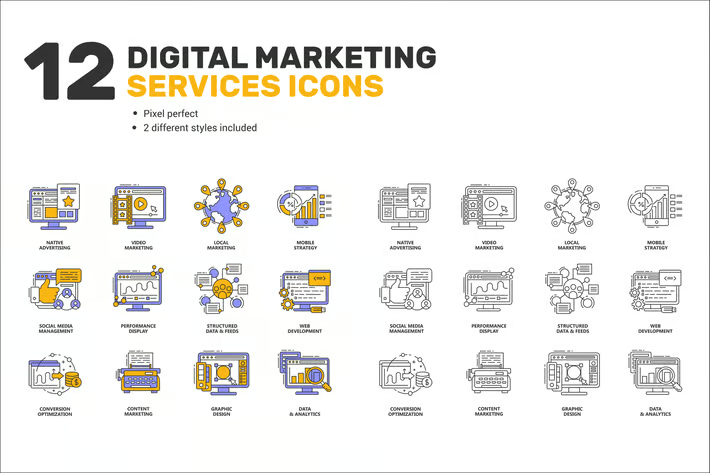
In today’s fast-paced digital world, having a strong online presence is crucial for any business. With countless options available, knowing which digital marketing services can elevate your brand is essential. Whether you’re a small startup or an established company, understanding the landscape of digital marketing can help you make informed decisions that drive growth.
From search engine optimization (SEO) to social media management, each service plays a vital role in reaching your target audience. You need a comprehensive digital marketing strategy to stand out in the crowded marketplace. This article will explore a detailed list of digital marketing services, helping you identify the right tools and techniques to enhance your online visibility and engagement. Get ready to unlock the potential of your business with the right digital marketing services tailored to your needs.
Digital Marketing Services List
Understanding various digital marketing services enhances your business’s online presence. Here’s a structured list of services to consider:
1. Search Engine Optimization (SEO)
SEO improves your website’s ranking in search engines. Key components include:
- Keyword Research: Identifying the right keywords for your products or services.
- On-Page SEO: Optimizing content and HTML source code.
- Off-Page SEO: Building backlinks from reputable sites.
- Local SEO: Enhancing visibility for local searches.
2. Pay-Per-Click Advertising (PPC)
PPC involves paid ads that appear on search engines or social media platforms. Main aspects include:
- Google Ads: Targeting users based on keywords.
- Social Media Ads: Creating ads for platforms like Facebook and Instagram.
- Display Ads: Using banners and visuals across websites.
3. Social Media Marketing
Social media marketing engages audiences across various platforms. Important components include:
- Content Creation: Developing posts, images, and videos.
- Community Management: Responding to comments and messages.
- Analytics: Monitoring engagement and reach.
4. Content Marketing
Content marketing focuses on creating valuable content to attract customers. Key elements include:
- Blog Posts: Writing articles relevant to your audience.
- E-books: Providing detailed guides on industry topics.
- Infographics: Presenting information visually to enhance understanding.
5. Email Marketing
Email marketing allows direct communication with your audience. Core strategies include:
- Newsletter Campaigns: Sending regular updates and promotions.
- Personalized Emails: Targeting specific segments of your audience.
- Automated Emails: Setting up autoresponders for engagements.
6. Affiliate Marketing
Affiliate marketing involves partnering with individuals or companies to promote products. Key processes include:
- Commission Structure: Offering payments based on sales generated.
- Recruitment: Finding affiliates aligned with your brand.
- Tracking: Monitoring performance metrics for affiliates.
7. Influencer Marketing
Influencer marketing uses individuals with substantial followings to promote products. Key steps include:
- Identifying Influencers: Researching relevant figures in your industry.
- Establishing Partnerships: Discussing collaboration terms and content.
- Measuring Impact: Analyzing engagement driven by influencers.
8. Video Marketing
Video marketing harnesses audiovisual content to engage audiences effectively. Primary forms include:
- Promotional Videos: Showcasing products or services.
- Webinars: Providing informational sessions on industry topics.
- Live Streams: Engaging audiences in real-time discussions.
9. Online Reputation Management (ORM)
ORM manages how your brand is perceived online. Key tasks include:
- Monitoring Reviews: Keeping track of customer feedback.
- Responding to Feedback: Addressing negative comments or reviews.
- Building a Positive Image: Promoting positive content.
10. Web Development and Design
Web development and design create an accessible online presence. Key considerations include:
- User Experience (UX): Ensuring ease of navigation.
- Responsive Design: Adapting sites for mobile and desktop users.
- SEO Optimization: Integrating SEO practices into web design.
Each digital marketing service plays a crucial role in creating a holistic approach. Choose a mix that aligns with your business objectives to boost your online visibility and engage effectively with your target audience.
Understanding Digital Marketing
Digital marketing refers to all marketing efforts that use the internet or electronic devices. This strategy encompasses various channels, including websites, social media, email, and search engines. Businesses aim to connect with customers where they spend most of their time—online.
What Is Digital Marketing?
Digital marketing includes activities designed to promote products or services using digital technology. This approach involves multiple practices that help businesses reach their target audience efficiently. Components such as search engine optimization (SEO) enhance a website’s visibility in search results. Pay-per-click advertising (PPC) allows businesses to place ads on platforms like Google or Facebook to drive traffic.
Many forms of digital marketing use content strategies. Content marketing shares valuable information to attract and engage potential customers. This often includes blog posts, infographics, and videos. Social media marketing focuses on platforms like Facebook, Instagram, and Twitter to build a community around a brand and foster engagement.
Other elements include email marketing, which targets customers through newsletters and promotional messages. Affiliate marketing and influencer marketing enable businesses to use partnerships to expand their reach.
Digital marketing encompasses various activities that contribute to building an effective online presence. Each type works in harmony to achieve a common goal: reaching and engaging with customers.
Importance of Digital Marketing
Digital marketing holds significant importance for businesses today. First, it increases brand visibility. With most people conducting online searches, being present where potential customers look facilitates brand discovery.
Second, digital marketing offers a cost-effective approach. Traditional marketing methods often involve higher costs. In contrast, online strategies can deliver measurable results without significant financial investments. This efficiency makes digital marketing accessible for small businesses.
Third, digital marketing provides precise targeting. Detailed analytics allow businesses to understand their audience’s preferences and behaviors. Marketers can tailor campaigns based on demographics, interests, and locations. This level of targeting leads to more effective marketing efforts.
Additionally, digital marketing fosters customer engagement. Social media platforms allow businesses to communicate directly with customers, building relationships and trust. Companies can respond to queries in real-time, enhancing customer satisfaction.
Lastly, digital marketing produces measurable results. Various analytics tools track engagement metrics, allowing businesses to assess performance continuously. This data provides insights needed to optimize campaigns and strategies.
Digital marketing is essential for modern businesses. Its ability to improve visibility, reduce costs, target precisely, engage customers, and measure success cannot be overstated.
Types of Digital Marketing Services
Understanding various digital marketing services is essential for businesses aiming to improve their online presence. Here are key services you can utilize:
Search Engine Optimization (SEO)
Search Engine Optimization (SEO) focuses on enhancing website visibility on search engines like Google. Effective SEO involves three main aspects:
- Keyword Research: Identifying relevant keywords that potential customers use when searching for products or services.
- On-Page Optimization: Refining webpage elements including title tags, meta descriptions, headers, and content, ensuring that each page caters to both users and search engines.
- Off-Page Optimization: Building authority through backlinks from reputable sources, social signals, and directory listings, which boosts your website’s credibility.
Local SEO also plays a crucial role for businesses targeting regional customers. It optimizes a business’s online presence to attract more activity from relevant local searches.
Implementing SEO strategies leads to increased organic traffic, enhanced ranking, and improved user experience. By focusing on relevant keywords and optimizing web pages, you attract targeted visitors, ultimately leading to higher conversion rates.
Pay-Per-Click (PPC) Advertising
PPC advertising stands as a powerful method for promoting products and services through paid advertisements. Advertisers pay a fee each time someone clicks on their ads. This approach allows for targeted marketing, ensuring that messages reach the right audience at the right time.
Google Ads
Google Ads represents one of the most effective PPC advertising platforms. Businesses can create ads that appear on Google’s search engine results pages and its display network. The process begins with keyword selection. Identifying and bidding on relevant keywords is crucial for ad placement.
Google Ads operates on a cost-per-click (CPC) model, meaning you only pay when a user clicks on your ad. This model promotes budget efficiency. Advertisers can set daily budgets and adjust bids based on performance. This scalability offers flexibility for companies of all sizes.
Ad quality affects performance. Google evaluates ad relevance and landing page experience. High-quality ads may lead to lower CPCs and better ad positions. Regular monitoring allows for ongoing optimization, leading to improved outcomes over time.
Utilizing ad extensions enhances visibility. Extensions such as site links, call buttons, and location information provide additional information to users. This feature increases click-through rates (CTR) and drives more targeted traffic to your website. Structuring campaigns effectively, including using ad groups, simplifies management and makes tracking performance easier.
Social Media Ads
Social media ads represent another vital component of PPC advertising strategies. Platforms like Facebook, Instagram, Twitter, and LinkedIn offer robust advertising options. You can target specific demographics based on interests, location, and behavior.
Creating engaging visuals and compelling copy engages users. Each social media platform has unique specifications for ad formats. For example, Instagram values high-quality images and storytelling, while LinkedIn focuses on professional-oriented content. Crafting ads to align with platform expectations enhances user engagement.
Budgeting for social media ads allows for granular control. Advertisers can select daily or lifetime budgets, providing flexibility. Setting clear objectives, whether brand awareness, lead generation, or sales, influences ad strategies. Tracking key performance indicators (KPIs) such as CTR, engagement rates, and conversion rates allows timely adjustments.
Each platform provides analytics tools that track ad performance. Review these metrics regularly to understand what works and what doesn’t. Ad optimization through A/B testing enables you to compare different ads to find the most effective ones. By refining your approach, you drive better results and maximize your advertising budget.
Content Marketing
Content marketing focuses on creating and distributing valuable content to attract and engage specific audiences. Employing various formats such as articles, infographics, and videos enhances brand awareness and drives customer interest.
Blogging
Blogging serves as a top method for engaging audiences through informative and entertaining posts. Consistent blogging establishes authority by sharing expertise in your field. Businesses that blog receive 97% more links to their websites. Use SEO strategies within blog posts by incorporating relevant keywords, meta descriptions, and internal links.
Ensure posts provide quality information that answers questions or solves problems. Research various topics and analyze audience interest to guide content creation. Aim for at least 500 words per post to improve search visibility. Consider using images, bullet points, and headings to enhance readability.
Incorporating a clear call to action in each post helps direct reader engagement. This can be subscribing to newsletters or downloading additional resources. Promote blog content across social media platforms to expand reach and engage with different audiences.
Track performance metrics such as page views, unique visitors, and engagement rates to refine blogging strategies. Adjust content based on insights to better align with audience preferences. Regular updates to existing posts keep information relevant and improve search rankings.
Video Marketing
Video marketing presents an impactful way to engage potential customers visually and emotionally. Videos can increase conversions by up to 80%. Utilize platforms like YouTube, Facebook, and Instagram for video sharing. Optimize your videos with engaging titles, descriptions, and relevant tags to improve discoverability.
Create instructional videos, product demonstrations, or testimonials to provide value. Shorter videos often perform better, with a duration of 60 seconds or less being ideal for social media. Use animations or graphics to convey information clearly and keep viewer attention.
Add captions for accessibility and engagement. Research indicates that 80% of viewers watch videos without sound. A clear structure within videos reinforces key messages. Consider analytics such as view duration, click-through rates, and engagement to evaluate video performance.
Leverage video marketing by integrating visual content into your overall strategy. Combine video content with blog posts or social media updates to create a cohesive approach. Encourage viewer interaction by prompting comments or shares. Regularly producing videos can enhance your brand’s online visibility and audience connection.
Social Media Marketing
Social media marketing focuses on building brand awareness and engaging with audiences on various platforms. This section covers two primary strategies: organic and paid social media.
Organic Social Media
Organic social media involves creating and sharing content without using paid ads. You build relationships, engage with users, and curate content that resonates with your audience.
- Create Quality Content: Develop engaging posts that align with your brand’s voice. Use images, videos, and infographics to attract attention.
- Post Regularly: Maintain a consistent posting schedule. Aim for at least 3-5 posts per week to stay visible in followers’ feeds.
- Engage Your Audience: Respond to comments and messages promptly. Encourage discussions to foster community and loyalty.
- Monitor Insights: Utilize analytics tools to track engagement metrics. Focus on likes, shares, and comments to gauge content performance.
- Use Hashtags Wisely: Incorporate relevant hashtags to increase content discoverability. Use a mix of trending and niche hashtags for broader reach.
- Collaborate with Influencers: Team up with influencers who share similar values or target audiences. Their endorsement can enhance brand credibility.
Organic strategies help you build a genuine presence and create lasting brand relationships without incurring advertising costs.
Paid Social Media
Paid social media leverages promotional content to reach specific audiences. This method increases visibility and drives targeted traffic to your brand.
- Select Platforms: Choose ad platforms based on where your audience spends time. Common options include Facebook, Instagram, LinkedIn, and Twitter.
- Define Your Budget: Set a clear budget for your campaigns. Start with a small amount to test different strategies and adjust as necessary.
- Target Audience: Use demographic and interest-based targeting to reach potential customers. Refine your audience based on performance data.
- Craft Compelling Ads: Develop attention-grabbing visuals and concise copy. Your ads should clearly communicate value and include a strong call to action.
- A/B Testing: Experiment with different visuals, headlines, and audience settings. Analyze results to determine which elements perform best.
- Track Performance: Regularly review analytics to assess campaign effectiveness. Focus on key metrics such as click-through rates, engagement, and conversions.
Paid strategies enable you to quickly expand your reach and attract new customers through well-placed advertisements.
Email Marketing
Email marketing serves as a direct line to your audience, providing opportunities for engagement and conversions. Implementing effective strategies can enhance communication and drive sales.
Steps to Create an Email Marketing Campaign
- Define Your Goals
Establish clear objectives for your email marketing campaign. Goals may include increasing sales by 20% or growing your subscriber list by 1,000 contacts within six months.
- Build Your Email List
Focus on gathering contacts through various methods. Utilize website sign-up forms, social media campaigns, and lead magnets such as e-books or discount codes to encourage subscriptions.
- Choose an Email Marketing Platform
Select an email marketing service like Mailchimp, Constant Contact, or Sendinblue. Compare features such as automation, segmentation, template designs, and pricing to find a suitable option.
- Segment Your Audience
Divide your subscriber list into segments based on criteria like behavior, demographics, or interests. Segmentation allows for targeted messaging that accommodates the unique preferences of each group.
- Create Compelling Content
Craft engaging content that is relevant and valuable to your audience. Utilize a clear subject line, personalized greetings, and concise body text. Incorporate visuals such as images or videos to enhance attractiveness.
- Automate Your Campaigns
Implement automation features to streamline your email marketing process. Set up welcome emails, follow-ups, and drip campaigns to maintain consistent communication with subscribers.
- Analyze Performance Metrics
Monitor key performance indicators (KPIs) such as open rates, click-through rates, and conversion rates. Use this data to evaluate your campaign’s effectiveness and adjust strategies as necessary.
- Test and Optimize
Conduct A/B testing to compare different subject lines, content styles, and sending times. Use findings to optimize future campaigns for better performance.
- Comply with Regulations
Ensure all email practices follow relevant regulations like the CAN-SPAM Act and GDPR. Include unsubscribe options and accurately represent your sender information.
- Maintain Consistency
Stick to a consistent sending schedule. Choose frequency levels determined by your audience’s preferences. Regular communication fosters trust and keeps your brand top of mind.
Email marketing remains a proven method for building relationships with customers. Following structured steps helps create effective campaigns that achieve your business goals.
Affiliate Marketing
Affiliate Marketing involves partnering with individuals or businesses to promote products or services for a commission. Businesses leverage affiliates’ reach to broaden their market presence. This strategy often leads to increased sales and brand visibility.
Steps to Implement Affiliate Marketing
- Choose a Niche: Identify a specific market segment that matches your products or services. Focus on areas where you can provide value and expertise through your promotions.
- Set Up an Affiliate Program: Create an affiliate program by determining commission rates, payout methods, and rules for affiliates. Use affiliate management software to track referrals and payments efficiently.
- Recruit Affiliates: Reach out to potential affiliates that align with your brand values. These individuals or companies should have an audience interested in your products. Utilize social media, online communities, and affiliate networks to attract partners.
- Provide Marketing Materials: Supply affiliates with resources such as banners, links, and product images. Create pre-written content or guidelines that affiliates can use to simplify their promotional efforts.
- Track Performance: Implement tracking tools to monitor affiliate sales, clicks, and overall performance. Analyze metrics like conversion rates and return on investment (ROI) to assess each affiliate’s effectiveness.
- Optimize the Program: Regularly review the affiliate program and adjust commission structures, marketing materials, or affiliate recruitment strategies based on performance data. Improvement leads to better engagement and sales.
- Communicate with Affiliates: Maintain open lines of communication with affiliates. Regular updates on new products, promotional strategies, and performance metrics help create a collaborative environment.
- Pay Commissions Promptly: Process affiliate payments promptly. Trust is essential in business relationships. Offering timely payments fosters loyalty and encourages affiliates to promote your products more actively.
- Evaluate and Scale: Review overall affiliate performance periodically, identifying both successful and underperforming affiliates. Focus on scaling efforts with top performers by increasing their commission rates or providing exclusive promotions.
- Ensure Compliance: Make sure that all affiliates follow advertising guidelines and disclose their relationship with your brand. Compliance helps avoid legal issues and maintains brand integrity.
Affiliate marketing aids in expanding brand reach, reducing marketing costs, and driving consistent revenue. By executing these steps, you can create a successful affiliate marketing strategy that significantly benefits your business.
Selecting the Right Digital Marketing Services
Choosing the right digital marketing services directly impacts your business growth. Assess your needs, budget, and specific goals to maximize effectiveness.
Assessing Your Business Needs
Identify your business objectives clearly. Define goals like increasing traffic, boosting sales, or enhancing brand awareness. Understanding your target audience proves crucial. Determine their preferences and behaviors to tailor services effectively.
Evaluate current marketing efforts to find gaps that digital services can fill. Analyze existing data like website traffic and conversion rates. Establish what services align with your objectives, such as SEO for traffic or content marketing for engagement.
Consider the industry you operate in. Different sectors may require different strategies. An e-commerce business may benefit more from PPC advertising, while a service-based business might find SEO and local marketing essential. Compile a list of priorities based on your findings. Assign weight to each service according to urgency and importance.
By clarifying your needs upfront, you enhance the chances of selecting services that contribute to your business goals effectively.
Budget Considerations
Set a clear budget for digital marketing efforts. This budget serves as a guide for selecting services that fit your financial capacity. Break down potential costs for each service category. For instance, SEO may involve costs for tools, content creation, and hiring specialists. PPC advertising requires a budget for clicks, ad creation, and ongoing adjustments.
Factor in additional expenses like software subscriptions, training, or unforeseen costs. Aim for a budget that allows flexibility for adjustments as needed. Assess your relative position in the industry regarding keywords and competition for clarity on service effectiveness within your budget.
Determine whether to manage services internally or outsource to professionals. Outsourcing may incur higher upfront costs but can lead to greater ROI through expert execution. Prioritize services that deliver measurable results to justify spending.
By taking a structured approach to budget planning, you allocate resources effectively and make informed decisions about which digital marketing services to pursue.
Service Provider Reputation
Research potential service providers thoroughly. Start by looking for reviews and testimonials from previous clients. Explore platforms like Google, Yelp, and social media for insights into their reputation. Pay attention to reviews highlighting service effectiveness and customer satisfaction.
Evaluate their portfolio. A strong portfolio showcases previous successes and industry expertise. Look for case studies that demonstrate results achieved using their services. This evidence confirms their capability to handle your specific needs.
Don’t hesitate to ask for references. Speaking directly with past clients provides firsthand information about their experience. Evaluate their professionalism, communication style, and overall effectiveness.
Consider industry awards, certifications, or affiliations as indicators of credibility. Reputable providers often participate in industry associations or receive recognition for excellence in service.
By focusing on provider reputation, you increase the likelihood of collaborating with a capable partner for your digital marketing initiatives.
Tips for Success in Digital Marketing
Effective digital marketing relies on strategic planning and execution. Following specific tips can enhance your marketing efforts and drive better results.
Setting Clear Goals
Setting clear goals forms the foundation of a successful digital marketing strategy. Define specific objectives that align with overall business aims. For instance, aim to increase website traffic by 20% within three months or grow your email subscriber list by 1,000 users in six months. Use the SMART criteria to ensure your goals are Specific, Measurable, Achievable, Relevant, and Time-bound.
Establishing goals enables focused strategy development. Break larger goals into smaller actionable tasks to monitor progress effectively. For instance, if the goal is to improve social media engagement, create a plan that includes posting frequency, content type, and interaction with followers.
Regularly review and adjust your goals based on performance data and market conditions. Flexibility ensures your strategies stay effective in a changing environment. If the current goal becomes too easy or unrealistic, adapt it to meet new challenges or opportunities. Goal setting promotes accountability across teams and keeps everyone aligned toward shared objectives.
Measuring Performance
Measuring performance provides insights into what drives your digital marketing success. Use key performance indicators (KPIs) to evaluate the effectiveness of campaigns and strategies. Common KPIs include website traffic, conversion rates, click-through rates, and social media engagement.
Choose relevant KPIs that align with your specific goals. For example, if your goal is to increase sales, monitor conversion rates and return on investment. To evaluate brand awareness, focus on metrics like website impressions or social media reach. Utilizing analytics tools such as Google Analytics, social media insights, and email marketing reports enables comprehensive tracking of these metrics.
Analyze the data regularly to understand trends and patterns in user behavior. This analysis informs future marketing strategies and helps refine existing ones. If certain campaigns consistently underperform, consider adjusting the messaging or targeting strategies.
Conduct A/B testing to compare different approaches and determine which resonates better with your audience. Continuously measuring performance not only highlights successes but also helps identify areas needing improvement, leading to more effective marketing efforts.
Staying Updated with Trends
Staying updated with trends is crucial to maintaining a competitive edge in digital marketing. The digital landscape changes rapidly, making it essential to grasp new tools, techniques, and audience preferences. Regularly follow industry news through blogs, podcasts, webinars, and social media to remain informed about emerging trends.
Engage with professional communities on platforms such as LinkedIn and Twitter to exchange ideas and insights. These interactions expose you to best practices and innovative approaches adopted by peers and industry leaders. Attend digital marketing conferences and workshops to gain firsthand knowledge and network with experts in the field.
Implement new strategies and tools that suit your business objectives and audience needs. For instance, if video marketing trends rise, consider integrating video content into your campaigns. Embrace new platforms as they emerge, ensuring your marketing stays relevant and reaches your target audience effectively.
Finally, regularly review your current strategies and adjust them based on market changes and feedback to keep your digital marketing efforts aligned with evolving consumer preferences. Staying informed and adaptable enables sustained success in the dynamic world of digital marketing.
Troubleshooting Common Issues
Digital marketing efforts can face various challenges. Addressing these issues ensures effective campaigns and maximizes impact on your business. Here are common problems and practical solutions.
Low Engagement Rates
Low Engagement Rates indicate that your audience interacts with your content minimally. This issue often arises from unappealing content or poor audience targeting.
- Identify your audience: Analyze demographics and preferences. This analysis sharpens strategies for crafting messages that resonate.
- Enhance content quality: Create informative and engaging content. Include relevant visuals and clear CTAs (call-to-action) to capture interest.
- Optimize posting times: Utilize analytics to determine when your audience is most active. Adjust your posting schedule to align with peak engagement periods.
- Utilize diverse formats: Experiment with various content types such as videos, polls, or infographics. Diverse formats cater to different audience preferences, increasing interaction.
- Engage with your audience: Prompt responses through comments or surveys. This interaction fosters a sense of community and encourages ongoing engagement.
Poor Return on Investment (ROI)
Poor ROI occurs when the returns from marketing efforts don’t justify the expenses. This situation can stem from inefficiencies in campaigns or improper resource allocation.
- Track performance metrics: Use analytics tools to monitor your metrics. Focus on KPIs that reflect financial success, such as conversion rate and customer acquisition cost.
- Refine target audience: Ensure your messaging reaches the right individuals. Develop clear customer personas and tailor your campaigns to meet their specific needs.
- Test and optimize campaigns: Implement A/B testing for different ads or strategies. Analyze the results to determine effective elements and adjust accordingly.
- Evaluate marketing channels: Assess the performance of various channels. Concentrate your resources on channels with proven success while reconsidering those that underperform.
- Adjust for seasonality: Recognize seasonal fluctuations in your industry. Adapt campaigns to leverage appropriate times for maximum returns.
Ineffective Targeting
Ineffective Targeting results when marketing messages fail to reach or resonate with the desired audience. Poor targeting can lead to wasted resources and low conversion rates.
- Conduct thorough market research: Gather data on your audience’s interests and habits. Use surveys or focus groups to enhance understanding.
- Refine customer segments: Divide your audience into targeted segments. Tailor your messages to address their unique needs and preferences.
- Utilize analytics tools: Employ analytics platforms to track user behavior. This insight reveals how users interact with your content, allowing for adjustments.
- Create focused ad campaigns: Develop personalized ads based on audience segments. Use specific language and visuals that appeal to different groups.
- Iterate based on feedback: Solicit input from your audience regarding your messaging. Use this feedback to fine-tune your targeting strategies and improve overall effectiveness.
Conclusion
Embracing digital marketing services is essential for your business’s growth and success in today’s competitive landscape. By understanding and implementing the right strategies, you can enhance your online presence and effectively engage your target audience.
Whether you focus on SEO, content marketing, or social media management, each service plays a vital role in achieving your business goals. Remember to regularly evaluate your strategies and adapt to emerging trends to stay ahead.
With a solid digital marketing plan in place, you’ll be well-equipped to navigate the complexities of the online world and drive meaningful results for your brand.
Frequently Asked Questions
What is digital marketing?
Digital marketing refers to all marketing efforts that use the internet or electronic devices. It includes strategies across websites, social media, email, and search engines to promote products and engage with audiences.
Why is SEO important for businesses?
SEO is crucial for businesses as it improves website visibility in search engines, driving organic traffic. Effective SEO strategies lead to enhanced rankings, better user experience, and ultimately higher conversion rates.
What are the key components of SEO?
The key components of SEO include keyword research, on-page optimization, and off-page optimization. Local SEO is also essential for businesses targeting regional customers to increase visibility.
How does PPC advertising work?
PPC advertising allows businesses to pay for ads that appear on search engines and social media. Advertisers pay a fee for each click their ad receives, making it a cost-effective way to reach targeted audiences.
What role does social media marketing play?
Social media marketing engages users through content creation, community management, and analytics. It helps build brand awareness, foster customer relationships, and drive traffic to websites.
What is content marketing?
Content marketing involves creating and distributing valuable content, like blog posts and videos, to attract and engage target audiences. It aims to establish authority and foster customer relationships.
How can email marketing benefit my business?
Email marketing allows direct communication with customers through newsletters and personalized campaigns. It enhances engagement, drives conversions, and helps maintain customer relationships.
What is affiliate marketing?
Affiliate marketing involves partnering with affiliates to promote products or services for a commission. It expands brand reach and drives sales while reducing overall marketing costs.
How can I choose the right digital marketing services?
Choosing the right digital marketing services involves assessing your business needs, goals, and budget. Research potential service providers and evaluate their credibility to ensure effective collaboration.
What are common challenges in digital marketing?
Common challenges include low engagement rates, poor ROI, and ineffective targeting. Addressing these issues involves analyzing audience data, optimizing content quality, and testing various campaign strategies.