
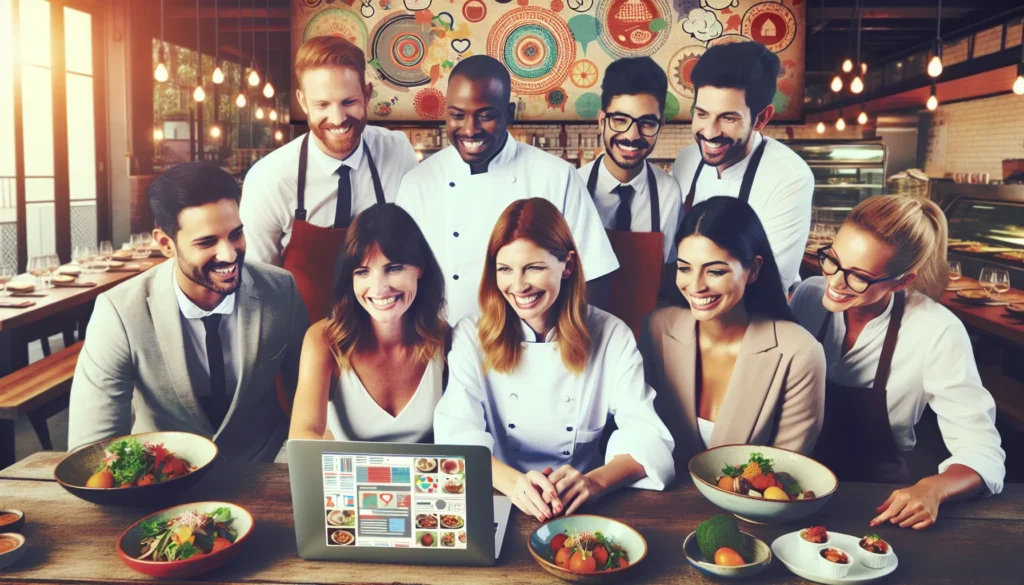
In today’s fast-paced digital world, restaurants face the challenge of standing out in a crowded market. With more diners turning to online platforms to discover their next meal, having a solid digital marketing strategy is crucial. Whether you’re a cozy café or a bustling eatery, leveraging the right digital marketing services can elevate your brand and attract more customers.
From social media management to search engine optimization, these services help you connect with your audience where they spend their time. You can showcase your menu, share customer reviews, and promote special events, all while building a loyal community around your brand. Embracing digital marketing not only enhances your visibility but also drives foot traffic and boosts online orders, ensuring your restaurant thrives in a competitive landscape.
Understanding Digital Marketing Services for Restaurants
Digital marketing services provide strategies to help restaurants reach potential customers effectively. These services aim to increase visibility and drive business growth through the use of various online tools.
Social Media Management
Social media management focuses on using platforms like Facebook, Instagram, and Twitter to engage with customers. Creating enticing posts regularly showcases menu items and promotions. Responding to comments and messages builds rapport with the audience. Running targeted ads increases brand exposure quickly.
Search Engine Optimization (SEO)
Search engine optimization enhances a restaurant’s online visibility in search results. Using relevant keywords related to the menu, location, and cuisine improves search rankings. Regularly updating the website with fresh content, such as blog posts or event announcements, helps attract organic traffic. Optimizing local listings ensures restaurants appear in local searches.
Email Marketing
Email marketing allows direct communication with customers. Collecting email addresses through sign-up forms or loyalty programs helps build a subscriber list. Sending regular newsletters with promotions, special events, and menu changes keeps customers informed. Personalizing emails with the recipient’s name increases engagement rates.
Online Ordering and Delivery Setup
Online ordering services enable customers to place food orders through the restaurant’s website or app. Partnering with delivery services expands the restaurant’s reach. Ensuring the online ordering system is user-friendly enhances the customer experience. Implementing efficient delivery processes allows for timely food delivery.
Website Development
A well-designed website serves as the restaurant’s online hub. Including essential information such as location, hours, and menu increases usability. Integrating online reservation systems simplifies reservation management. Ensuring the website is mobile-friendly enhances accessibility for users on smartphones.
Reputation Management
Reputation management involves monitoring online reviews and feedback. Encouraging satisfied customers to leave positive reviews on platforms like Yelp and Google improves the restaurant’s image. Addressing negative feedback professionally demonstrates commitment to customer satisfaction. Consistent monitoring of reviews allows for timely responses.
Content Marketing
Content marketing provides valuable information to your audience. Creating blog posts that highlight recipes, behind-the-scenes stories, or community events engages customers. Sharing visually appealing images and videos of dishes on social media boosts customer interest. Providing useful content establishes the restaurant as an authority in the food industry.
Analytics and Performance Tracking
Tracking analytics provides insights into digital marketing performance. Using tools like Google Analytics helps measure website traffic, customer behavior, and conversion rates. Evaluating data enables restaurants to refine marketing strategies based on what is effective. Regularly reviewing performance metrics highlights areas for improvement.
Conclusion
Implementing these digital marketing services helps restaurants grow and thrive. Adapting to changing consumer habits through online strategies offers a competitive edge. Prioritizing effective communication enhances customer relationships. Each strategy contributes to building a strong presence in the digital landscape.
Importance of Digital Marketing in the Restaurant Industry
Digital marketing plays a crucial role in the success of restaurants in today’s market. You can gain more customers and improve visibility through effective strategies.
Reaching a Target Audience
Reaching your target audience enhances business success. Understanding your customers’ demographics, interests, and dining habits allows for better targeting. Focus on social media platforms like Facebook and Instagram, where many potential diners gather. Use targeted ads to reach specific groups based on location and preferences. For instance, if your restaurant caters to families, create content highlighting family-friendly features and promotions.
Additionally, search engine optimization (SEO) helps your restaurant appear in local search results. By optimizing your website with relevant keywords, you ensure potential customers find you when searching for dining options. Use tools like Google My Business to update your restaurant’s information, attracting more local visitors. Offer incentives like discounts or special deals for online subscribers to encourage sign-ups, ensuring you reach more customers directly.
Leverage online reviews and customer feedback to learn about your target audience. Respond to reviews and engage with customers on social media. This builds trust and attracts more diners who seek recommendations. You can also segment your audience with email marketing, allowing you to send tailored offers based on their past visits.
Increasing Brand Awareness
Increasing brand awareness involves making your restaurant recognizable to potential customers. A consistent and engaging online presence keeps your restaurant in the minds of diners. Share high-quality images of your dishes, ambiance, and events on your website and social media. Create eye-catching visuals that showcase your unique selling points, such as special recipes or themed nights.
Participate in local events and share your involvement on digital platforms. This collaboration enhances visibility within the community. Ensure your restaurant’s name and logo appear across all marketing materials for brand consistency. For example, use similar colors and fonts to strengthen your identity.
Email marketing is another effective method for increasing brand awareness. Regular newsletters can highlight new menu items, special promotions, or events. This keeps your restaurant at the forefront of your audience’s minds. Ensure each communication remains visually appealing and offers engaging content that resonates with your audience.
Utilize influencer marketing by partnering with local food bloggers or Instagram personalities. Their endorsements can reach wider audiences and establish trust in your brand. Focus on creating partnerships that align with your restaurant’s values and image for optimal results.
Enhancing Customer Engagement
Enhancing customer engagement fosters loyalty and encourages repeat visits. Use social media to connect with customers directly. Post regular updates and respond to comments and messages promptly. Engaging with your audience creates a sense of community around your restaurant.
Promote interactive content such as polls, contests, or giveaways. For example, ask followers to share their favorite dishes for a chance to win a dining experience. This encourages participation and generates excitement around your brand. You can also share behind-the-scenes content, providing a glimpse into your kitchen and staff, which builds a personal connection with your customers.
Email campaigns enhance engagement by offering personalized content. Recognize customers’ birthdays or anniversaries with special discounts or messages, encouraging them to celebrate at your restaurant. Include engaging content in newsletters, such as recipes or cooking tips, which add value beyond promotional offers.
Implement loyalty programs that reward repeat customers. Use mobile apps or punch cards to track visits and offer incentives after a certain number of purchases. This builds long-term relationships and encourages diners to choose your restaurant over competitors.
Monitor engagement metrics to refine your strategy. Analyze what types of content receive the most interaction and adjust your approach accordingly. Adapting to your audience’s preferences ensures continued interest in your restaurant.
Types of Digital Marketing Services for Restaurants
Digital marketing services play a crucial role in boosting a restaurant’s visibility and attracting customers. Here are several key services that restaurants can utilize:
Website Development and Optimization
Website development and optimization focus on creating a user-friendly platform that reflects your restaurant’s brand. Essential features include mobile responsiveness, fast loading times, and easy navigation. Engage a professional developer to ensure your website showcases your menu, location, and contact information effectively.
Optimize website content using relevant keywords to enhance search engine visibility. Implement on-page SEO techniques such as title tags, meta descriptions, and headers for search engines to understand your content better. Utilize high-quality images of dishes and a clean layout to attract potential diners.
Incorporate an online ordering system to simplify the purchasing process. Customers appreciate the convenience of ordering food directly from your site. Ensure that your ordering system is intuitive to encourage repeat business.
Monitor your website’s performance using tools like Google Analytics. Regularly review traffic statistics and user behavior to identify areas for improvement. Adjust your website based on these insights to meet customer needs and enhance user experience.
A well-structured and optimized website acts as the foundation for all your digital marketing efforts. Prioritize continuous updates and improvements to stay competitive in the restaurant industry.
Search Engine Optimization (SEO)
SEO focuses on boosting your restaurant’s visibility online. Implementing effective SEO techniques ensures potential customers find your restaurant during their search for dining options.
Keyword Research
Keyword research helps identify the words and phrases diners use when looking for restaurants. Understanding these keywords allows you to create content that aligns with your audience’s search habits. Start the process by using tools like Google Keyword Planner or SEMrush to discover relevant keywords with high search volume and low competition.
Prioritize long-tail keywords to target specific offerings, such as “Italian restaurant with outdoor seating” or “best vegan brunch near me.” Combine local keywords with your main offerings. For instance, “family-friendly restaurants in [City]” connects your restaurant to your target audience’s needs.
Include these keywords naturally throughout your website content, such as in page titles, headings, and descriptions. Optimize your menu pages and blog posts with keyword-rich content that answers customer questions or provides valuable insights. For example, consider sharing unique recipes or event announcements that engage your community.
Regularly analyze your keyword performance to adapt your strategy. Use metrics such as click-through rates (CTR) and conversion rates to assess the effectiveness of your chosen keywords. Adjust your focus as needed to remain relevant in search rankings.
Local SEO Strategies
Local SEO strategies enhance your restaurant’s visibility among nearby diners. Optimize your Google My Business listing with accurate information, including hours, address, and menu options. Engage with customer reviews through timely responses, showcasing your commitment to service.
Incorporate local keywords into your website content. Phrases like “best pizza in [Neighborhood]” or “cozy cafe on [Street Name]” target local searchers. Ensure that your restaurant’s name, address, and phone number remain consistent across all online platforms to strengthen your local SEO presence.
Develop local backlinks by collaborating with nearby businesses or participating in community events. Share content on local blogs or news platforms, increasing your restaurant’s exposure to potential customers. Create and promote localized content, such as blog posts about local events or partnerships with food suppliers.
Utilize schema markup for your website to enhance your search results. Schema helps search engines better understand your restaurant’s offerings and location, improving your chances of appearing in local search results. Track local rankings using tools like Moz or Ahrefs to assess your strategies’ effectiveness and make necessary adjustments.
Social Media Marketing
Social media marketing is critical for restaurants looking to connect with their audience and promote their offerings. Through effective strategy and planning, you attract more customers and build loyalty.
Choosing the Right Platforms
Select social media platforms based on where your target audience spends time. Each platform serves different demographics and user behaviors.
- Facebook: Utilize Facebook for broader audience engagement. The platform suits restaurants aiming for community interaction and event promotion.
- Instagram: Focus on Instagram if your restaurant features visually appealing dishes. Share high-quality images and videos to showcase your food and ambiance.
- Twitter: Use Twitter for quick updates and news. This platform works well for engaging in conversations and responding to customer queries.
- TikTok: Consider TikTok for targeting younger audiences. Create entertaining videos that highlight menu items, cooking processes, or special events.
- LinkedIn: Employ LinkedIn to connect with other businesses and professionals if your restaurant has corporate services or networking events.
Evaluate each platform’s features, user demographics, and engagement levels. Focus on two to three platforms that align with your brand identity and goals.
Creating Engaging Content
Produce engaging content that resonates with your audience. Content that showcases your restaurant’s unique features attracts attention and encourages interaction.
- Visual Content: Share vibrant images of your dishes, beverages, and ambiance. Use high-quality photos to capture attention and highlight special promotions.
- Behind-the-Scenes: Post behind-the-scenes content showing meal preparation or staff daily activities. This gives diners a sense of your restaurant’s culture and authenticity.
- Customer Testimonials: Share positive reviews and feedback from customers. Authentic testimonials build trust and inspire potential diners to choose your restaurant.
- Interactive Posts: Host polls, quizzes, or contests to drive engagement. Encourage followers to participate for a chance to win discounts or freebies.
- User-Generated Content: Encourage customers to share their dining experiences. Repost their content to your account, giving recognition and fostering community.
Keep content fresh and varied with different formats, including videos, stories, and infographics. Monitor engagement metrics to determine what resonates and make adjustments accordingly.
Email Marketing
Email marketing serves as a direct line of communication between your restaurant and customers. This method allows you to engage with your audience effectively and encourage repeat visits.
Building a Subscriber List
Establishing a subscriber list forms the foundation of successful email marketing campaigns. Start by creating an easy sign-up option on your website and social media platforms. Consider placing sign-up forms in areas where customers interact with your restaurant, such as at the checkout counter or on menus.
Offer incentives to encourage sign-ups. Use options like discounts for their next visit or exclusive access to events. These incentives create a compelling reason for customers to join your list.
Collect and store customer data carefully. Ensure that your system captures important details such as names and frequencies of visits. This information helps you segment your list effectively based on preferences and habits.
Utilize social media to promote your email list. Share posts highlighting the benefits of subscribing. Example posts can include sneak peeks of upcoming specials or exclusive invitations to events. Encourage customers to share these posts to broaden your reach.
Regularly clean your subscriber list. Remove inactive addresses to enhance deliverability and engagement metrics. Keeping your list current ensures that your email campaigns reach the right audience.
Crafting Effective Emails
Crafting effective emails requires clarity and creativity. Start by writing subject lines that grab attention and pique interest. Keep the lines short and focused. Use personalization to enhance engagement, such as including the recipient’s name.
Structure emails with clear and concise content. Begin with a friendly greeting and a brief introduction. Focus on providing value, whether through promotions, news, or event invitations. Include high-quality images of dishes to entice subscribers.
Incorporate strong calls to action. Encourage subscribers to make reservations, order online, or visit for a special event. Use buttons or bold text to make these actions prominent and clickable.
Maintain a consistent schedule for sending emails. Whether weekly or monthly, consistency helps your audience expect and look forward to your messages. Consider timing emails to coincide with events or holidays to increase relevance.
Finally, monitor your email performance using analytics. Track open rates, click-through rates, and conversion rates to understand what resonates. This data allows you to refine your future campaigns for better results.
Online Advertising
Online advertising plays a crucial role in promoting restaurants effectively. Two common forms are Pay-Per-Click (PPC) advertising and social media ads, which can enhance visibility and drive customer engagement.
Pay-Per-Click (PPC) Advertising
PPC advertising helps restaurants reach potential customers quickly. You create ads that appear in search engine results. When users click on your ad, you pay a fee. The cost varies based on competition for keywords. Focusing on local keywords captures the attention of nearby diners.
Platforms like Google Ads enable targeted advertising. You can refine your audience based on demographics, location, and interests. Analyzing performance metrics is crucial. Monitor key indicators like click-through rates and conversion rates. Adjust ad campaigns based on this information.
Creating effective ads requires clear and enticing content. Use compelling headlines and concise descriptions that highlight unique offerings. Include a strong call to action encouraging users to make reservations or order online.
Testing different ad variations can optimize performance. Run A/B tests to determine which elements resonate best with your audience. Continually assess results to improve ad effectiveness. By utilizing PPC wisely, restaurants maximize reach, driving traffic both online and to physical locations.
Social Media Ads
Social Media Ads significantly enhance brand visibility. Platforms like Facebook and Instagram provide targeted advertising options tailored to user interests. You can create visually appealing ads that showcase menu items, special events, or promotions.
Using audience targeting features enables you to reach specific groups. Consider factors like age, location, and dining preferences for targeting. Fine-tuning your audience ensures that ads reach potential customers likely to visit your restaurant.
Engaging content is essential for success. Incorporate vibrant images, videos, or customer testimonials to create interest. Encourage users to interact with your posts, which can boost engagement and visibility.
Utilizing promotions and discounts in ads can entice potential diners. Limited-time offers or special deals create urgency. Make sure to include clear calls to action, directing users to your website or reservation system.
Monitoring performance on social media is important. Track engagement metrics like likes, shares, and comments. Use this data to refine your advertising strategy. By leveraging social media ads effectively, restaurants can significantly impact their online presence and attract more customers.
Tools and Platforms for Digital Marketing
Digital marketing involves various tools and platforms that can enhance a restaurant’s visibility and engagement. Utilizing the right resources can simplify processes and improve results.
Social Media Management Tools
Social media management tools streamline the handling of multiple platforms. These tools allow you to schedule posts, track interactions, and measure performance efficiently. Popular tools for restaurants include:
- Hootsuite: Schedule and manage posts across various platforms like Facebook, Twitter, and Instagram. Monitor engagement metrics to adjust strategies.
- Buffer: Schedule posts and analyze performance using easy-to-read reports. Optimize posting times to reach more users.
- Sprout Social: Offers in-depth analytics and reporting features that help identify what content resonates with your audience.
Using these tools allows you to maintain a consistent online presence. Engaging with customers through comments and messages fosters relationships. Streamlining social media efforts leads to increased brand awareness and customer loyalty.
Email Marketing Software
Email marketing software is essential for direct communication with customers. This software simplifies creating and sending promotional emails, newsletters, and exclusive offers. Recommended options include:
- Mailchimp: Provides user-friendly templates and automation features. Segment your audience for targeted promotions.
- Constant Contact: Offers comprehensive email marketing solutions with customizable templates and effective analytics.
- Sendinblue: Combines email marketing services with SMS messaging and marketing automation, allowing for versatile campaigns.
Focusing on building a subscriber list helps maintain customer relationships. Creating engaging email content drives traffic to your website and encourages repeat visits. Tracking performance metrics enables adjustments for better future outcomes.
Analytics Tools
Analytics tools track performance metrics and provide insights into customer behavior. These tools reveal website performance, social media engagement, and email campaign effectiveness. Key tools for restaurants include:
- Google Analytics: Offers detailed reports on website traffic sources, user behavior, and conversion rates. Identify which strategies yield the best results.
- Facebook Insights: Provides data on page performance and audience engagement on Facebook. Evaluate post reach and engagement levels.
- Instagram Insights: Focuses on engagement metrics and audience demographics. Use these insights to create content that resonates with users.
Using analytics tools enables you to refine marketing strategies based on data-driven decisions. Monitoring performance consistently leads to improved engagement and increased visibility for your restaurant.
Creating a Digital Marketing Strategy for Restaurants
Creating a digital marketing strategy for your restaurant involves a systematic process that engages your audience effectively.
Define Your Goals
Establish clear and measurable goals for your digital marketing efforts. Goals provide direction and a way to track progress. For example, aim to increase online orders by 30% over six months or grow your social media followers by 50 in three months. Specifying these goals helps gauge the effectiveness of your strategies.
Consider using the SMART criteria—Specific, Measurable, Achievable, Relevant, and Time-bound. Define each goal with these elements in mind. For example, instead of a vague goal like “improve online presence,” specify a goal like “increase organic website traffic by 25% in four months.” This approach helps keep your marketing focused and your team aligned.
Identify Your Target Audience
Identifying your target audience allows for targeted marketing efforts. Gather data on demographics such as age, income, and location to understand who frequents your restaurant. For instance, if your restaurant offers family-style dining, your target audience may include parents with children aged 5-15 within a 10-mile radius.
Use tools like Google Analytics and social media insights to collect information about your customers. Surveys and feedback forms can provide valuable insights into preferences and dining habits. Tailor your marketing message based on this information. For example, promoting kids’ menu items on platforms frequented by parents, such as Facebook or Instagram, can enhance engagement.
Crafting a Unique Selling Proposition (USP)
Your unique selling proposition sets your restaurant apart from the competition. Identify what makes your offerings special. Whether it’s a unique cuisine, exclusive recipes, or an inviting atmosphere, clarifying this aspect is critical. For instance, if your restaurant serves locally sourced ingredients only, highlight this in your marketing materials.
Create messaging that reflects your USP across all platforms—website, social media, and advertising. For example, if your restaurant offers vegan options, showcase those on promotional materials and social content. This clarity defines your brand voice and resonates with your audience, reinforcing why diners should choose your restaurant.
Budgeting for Digital Marketing
Establishing a budget for digital marketing ensures relevant spending and resource allocation. Determine how much you can invest monthly or annually. Start by considering critical areas like social media ads, website development, and content creation.
Allocate funds based on priorities. For instance, if boosting online orders drives revenue, increase budgets for PPC campaigns targeting local diners. To maintain flexibility, monitor spending closely and adjust where necessary. Track the performance of campaigns and determine ROI to gauge effectiveness. This regular assessment helps refine budget allocations over time.
Through these steps, you create a robust digital marketing strategy tailored for your restaurant. Each segment plays a vital role in engaging your audience and driving business success.
Tips for Successful Digital Marketing
Digital marketing succeeds when strategies align with restaurant goals. Consistency, monitoring, and engagement serve as key components in maximizing effectiveness.
Consistency is Key
Maintain a steady online presence across all platforms. Post content regularly on social media and update your website frequently. Consistent messaging helps reinforce your brand and logo. For instance, share daily specials or weekly events to keep followers informed and engaged.
Develop brand guidelines that define voice and tone. Use the same color schemes, images, and logos across platforms to ensure a cohesive appearance. Consistency in visuals and messaging fosters brand recognition, making it easier for customers to connect with your restaurant.
Utilize scheduling tools to plan posts ahead of time. Tools such as Hootsuite or Buffer allow you to prepare content in advance and post automatically. This eliminates the stress of last-minute updates and ensures no gaps in your online presence.
Engage followers with regular updates about menu changes, promotions, and events. Use stories and polls on Instagram and Facebook to promote interaction and keep your audience involved. Consistency fosters trust; customers return to restaurants they feel connected to.
Encourage user-generated content by asking customers to share their dining experiences. Reshare these posts on your own channels to build community engagement. Authentic testimonials provide social proof, inspiring potential customers to visit.
Monitor and Adjust Strategies
Regularly assess the effectiveness of your digital marketing strategies. Use analytics tools provided by social media platforms, website traffic tools, and email marketing statistics to evaluate performance. Data offers insight into what works and what doesn’t.
Track metrics such as engagement rates, click-through rates, and conversion rates. Identify content that generates the most interaction and focus on replicating its success. For example, if food photography receives higher engagement, prioritize sharing high-quality food photos in future posts.
Utilize A/B testing to experiment with different strategies. Adjust headlines, images, or call-to-action buttons in your emails or ads and measure the outcomes. A/B testing helps refine your marketing approaches over time, ensuring maximum effectiveness.
Seek feedback from customers through online surveys or reviews. Customer opinions provide valuable information for improving menus, service, and marketing tactics. Make adjustments based on feedback to enhance the overall customer experience.
Stay informed on industry trends and adapt strategies accordingly. Keep an eye on competitors and their marketing tactics to know what resonates with your audience. Shifting your strategies enables your restaurant to remain relevant and appealing in a competitive market.
Engage with Your Audience
Engaging directly with your audience builds relationships and loyalty. Utilize social media platforms to create conversations rather than one-dimensional posts. Respond to comments, answer questions, and thank customers for their reviews.
Host contests or giveaways to incentivize engagement. For example, encourage customers to share photos of their meals for a chance to win a gift card. This boosts interaction while generating user-generated content that showcases your restaurant’s offerings.
Implement interactive content such as polls or quizzes related to your menu or dining experiences. Engaging content encourages participation and can provide insight into customer preferences. For example, ask customers what new dish they want to see on the menu.
Create personalized email campaigns that address customers by name and cater to their interests. Segment your email lists based on past dining experiences to send targeted promotions. Tailored messages result in higher open and response rates.
Consistency in communication is vital. Maintain a human touch in interactions, making sure to acknowledge comments and messages promptly. The more you engage, the stronger your restaurant’s community becomes, ultimately leading to increased customer loyalty.
Troubleshooting Common Issues
Identifying and addressing common issues can enhance your restaurant’s digital marketing efforts. Here are solutions to three significant challenges.
Low Engagement Rates
Low Engagement Rates indicate a need to reassess your content strategy. Content that lacks appeal can lead to this issue.
- Analyze content types: Examine which posts generate the most interaction. Utilize analytics tools to gather data on likes, shares, and comments.
- Experiment with formats: Post various content types such as videos, polls, and user-generated posts. Engage your audience with interactive content.
- Optimize posting times: Determine when your audience is most active on social media. Adjust your posting schedule accordingly to maximize visibility.
- Encourage interactions: Ask questions in your posts and reply to comments promptly. This fosters a more lively community.
- Use visuals: Incorporate high-quality images and videos that resonate with your brand. Visual content tends to attract more engagement than text alone.
Implementing these strategies can boost interaction levels, driving customer connection to your restaurant.
Poor Website Traffic
Poor Website Traffic signals missed opportunities for attracting diners. A website serves as a primary platform for attracting customers.
- Conduct an SEO audit: Review your website for SEO issues. Check for optimized meta tags, headers, and quality content.
- Focus on local SEO: Ensure your restaurant’s information is consistent across online listings. Utilize Google My Business and local keywords to improve visibility.
- Enhance mobile experience: Ensure your website is mobile-friendly. A significant portion of diners search for restaurants using mobile devices.
- Create valuable content: Maintain a blog on your website with articles related to food trends, recipes, and dining experiences. Quality content can attract organic traffic.
- Utilize backlinks: Reach out to local food bloggers or online publications to obtain backlinks. This increases your website’s authority and search ranking.
Improving these aspects can drive more visitors to your site and convert them into customers.
Ineffective Advertising Campaigns
Ineffective Advertising Campaigns prevent restaurants from reaching potential customers. Addressing this challenge can optimize your marketing spend.
- Review targeting options: Ensure ads target the right demographic groups. Check interests, locations, and behaviors to refine your audience.
- Test different ad formats: Experiment with carousel ads, video ads, and story ads to determine which performs best. Each format can attract different audiences.
- Analyze ad performance: Use analytics to track click-through rates (CTR), conversion rates, and overall ROI. Adjust your campaign based on these insights.
- A/B test creatives: Test different images, messages, and calls to action. Analyze which styles resonate better with your audience for targeted ad success.
- Set clear objectives: Define specific goals for your campaigns. Focus on increasing awareness, engagement, or conversion rates as needed.
Adjusting these strategies can lead to more effective advertising, helping your restaurant gain visibility and attracting new customers.
Conclusion
Investing in digital marketing services is essential for your restaurant’s success. By leveraging social media, SEO, and email marketing, you can connect with your audience and showcase what makes your dining experience unique.
Understanding your target demographic and optimizing your online presence will set you apart from the competition. Regularly monitoring your strategies will help you refine your approach and engage your customers effectively.
In today’s digital-first world, adapting to consumer habits is key. With the right tools and strategies, you can enhance your visibility, attract more diners, and build a loyal community around your restaurant. Embrace these opportunities to thrive in the ever-evolving food industry.
Frequently Asked Questions
Why is digital marketing important for restaurants?
Digital marketing is crucial for restaurants as it helps attract customers in a competitive market. With more diners searching for options online, a strong digital presence can showcase offerings, build community, and enhance brand visibility through strategies like social media management and SEO.
What services are included in restaurant digital marketing?
Key digital marketing services for restaurants include social media management, SEO, email marketing, online ordering, website development, reputation management, content marketing, and analytics. These services help connect with diners, enhance customer engagement, and boost brand awareness.
How can restaurants improve their online visibility?
Restaurants can improve online visibility by implementing effective SEO strategies, optimizing Google My Business listings, engaging with customer reviews, and maintaining consistent information across platforms. Utilizing online ads and local backlinks can also enhance search results and reach potential diners.
What role does social media play in restaurant marketing?
Social media is vital for restaurant marketing as it enables direct interaction with customers, promotes offerings, and engages the audience. Choosing the right platforms and creating engaging content helps connect with diners and build a loyal community.
How can email marketing benefit restaurants?
Email marketing allows restaurants to maintain direct communication with customers, promote specials, and share updates. Building a subscriber list, crafting engaging emails, and maintaining a consistent schedule can enhance customer engagement and increase loyalty.
What is SEO, and why is it necessary for restaurants?
SEO, or Search Engine Optimization, improves a restaurant’s online visibility in search results. By optimizing website content with relevant keywords and utilizing local SEO strategies, restaurants can attract more diners and enhance their online presence.
How should restaurants create a digital marketing strategy?
Restaurants should define clear goals, identify their target audience, establish a unique selling proposition (USP), and budget for marketing efforts. By following the SMART criteria, they can create an effective digital marketing strategy that engages customers and drives business success.
What are some tips for successful digital marketing?
To achieve success in digital marketing, restaurants should maintain a consistent online presence, engage with followers, monitor performance metrics, and adjust strategies based on feedback. Regular interaction with customers and creating varied content can strengthen community ties.
How can restaurants overcome digital marketing challenges?
Restaurants can address challenges like low engagement and poor website traffic by analyzing content strategies, conducting SEO audits, improving mobile experiences, and refining advertising tactics. Implementing these solutions can enhance marketing efforts and attract more customers.